Best Budget Crochet Starter Kits Compared: What Beginners Really Need
by Crochets Studio — Sophie is a crochet designer and teacher based in Montréal who believes the best tools are the ones that feel right in your hands. She's been testing starter kits with new crocheters for over five years.
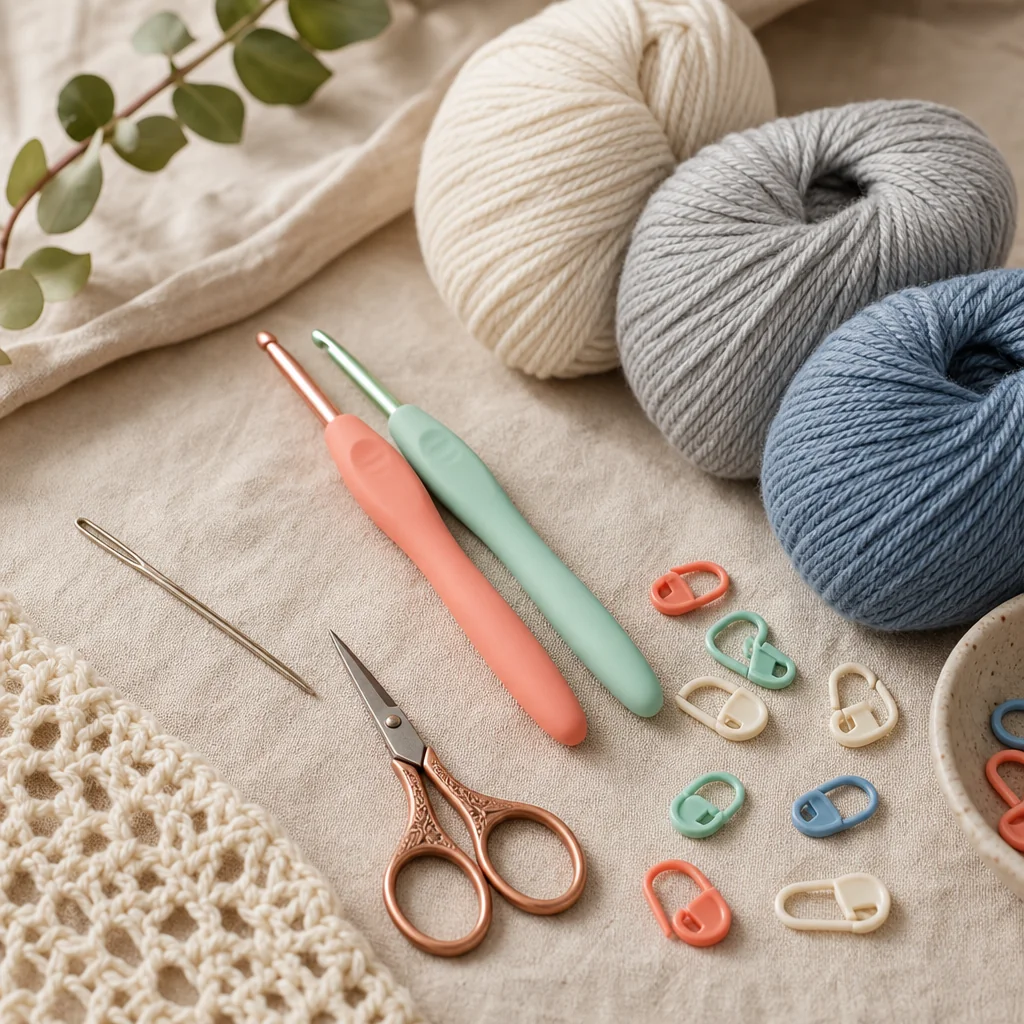
A quality beginner crochet kit doesn't need to be expensive or overwhelming. The essentials are simple: two mid-sized hooks (4mm and 5mm), a couple of skeins of worsted-weight acrylic yarn, a blunt yarn needle for finishing, and a few stitch markers. Everything beyond that—specialty hooks, thread-weight yarn, elaborate storage cases—can wait until you know what you actually enjoy making.
Why Starter Kits Make Sense for New Crocheters
When you're just learning to crochet, walking into a craft store can feel overwhelming. Rows of individual hooks in dozens of sizes, shelves stacked with yarn in every fiber and weight, bins of notions you've never heard of—it's a lot. Starter kits solve this problem by bundling the basics in one package, letting you focus on learning stitches instead of researching tools.
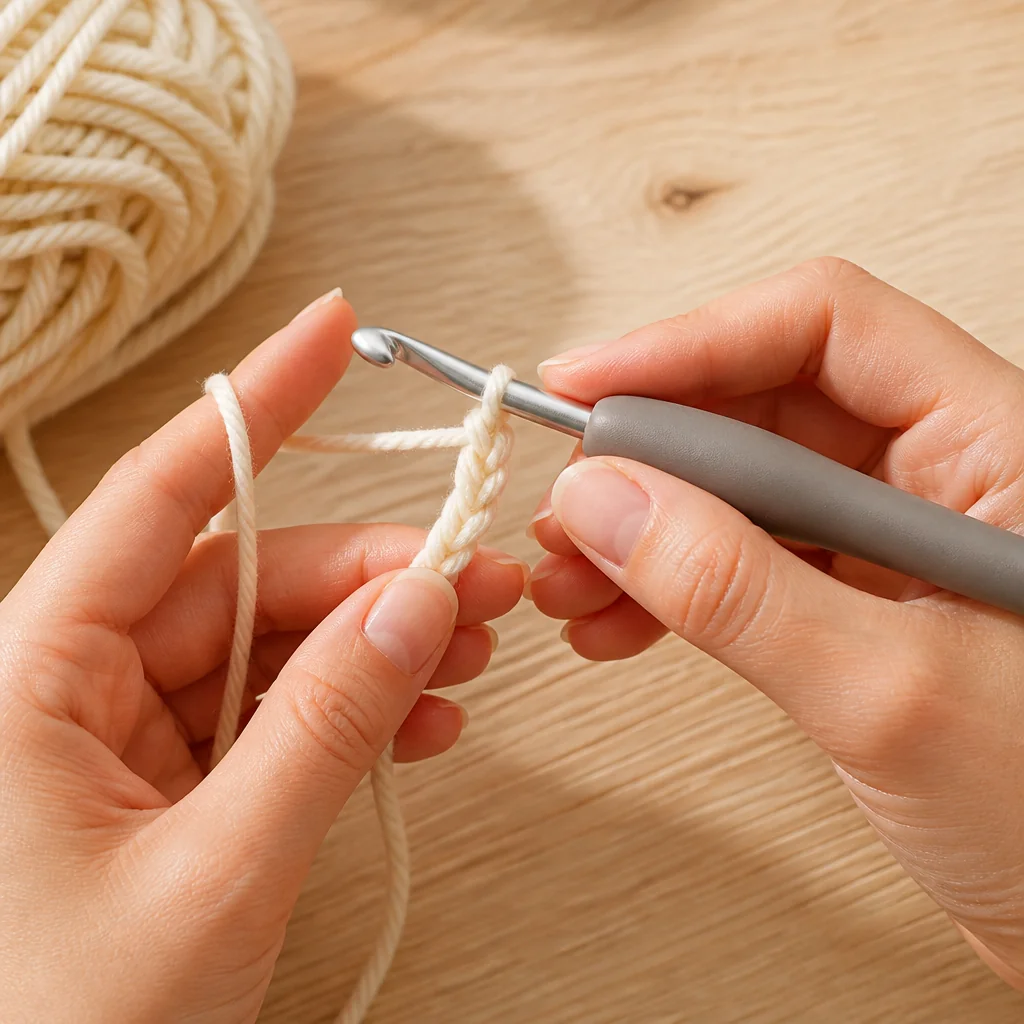
The catch? Not all starter kits are created equal. Some pack in way too many items you won't use for months (or ever), while others skimp on quality to hit a low price point. The sweet spot is a kit that includes versatile, comfortable tools without the filler.
What Actually Belongs in a Beginner Crochet Kit
Hook Sizes That Matter
Most beginner-friendly patterns call for 4mm (G/6) or 5mm (H/8) hooks. These mid-sized hooks work well with worsted-weight yarn—the most common yarn weight for scarves, dishcloths, blankets, and amigurumi. A kit with just these two sizes covers about 80% of beginner projects.
Skip kits that throw in a dozen hooks ranging from 2mm to 10mm. Tiny hooks (2mm–3mm) are for thread crochet and lace, which require tight tension and fine motor control that most beginners find frustrating. Jumbo hooks (8mm and up) are for bulky yarn projects that eat through skeins quickly and can get expensive. You can always buy specialty sizes later when a specific pattern calls for them.
Yarn: Quantity Over Variety
A good starter kit includes at least two full skeins (100g each) of worsted-weight acrylic yarn. Acrylic is forgiving—it doesn't split easily, it's machine washable, and if you mess up a project, you're not out much money. Light or medium solid colors (cream, grey, soft blue) show your stitches clearly, making it easier to spot mistakes and learn proper tension.
Avoid kits with tiny yarn samples or a dozen mini skeins in different weights. You need enough yarn to complete at least one small project (a dishcloth or a simple hat) without running out halfway through. Switching between yarn weights while you're still learning basic stitches just adds confusion.
Essential Notions
Three small tools make crochet significantly easier:
- Yarn needle (also called a tapestry needle): A blunt needle with a large eye for weaving in yarn ends and seaming pieces together. Metal ones are durable; plastic ones are fine for acrylic yarn.
- Stitch markers: Removable clips or closed rings that mark the beginning of a round or a specific stitch. Locking stitch markers (like tiny safety pins) are most versatile for beginners.
- Small scissors: Dedicated craft scissors with sharp points for snipping yarn cleanly. Kitchen scissors work in a pinch, but small snips are easier to control.
Some kits throw in a measuring tape or a row counter. Nice to have, but not essential in your first month of crocheting.
Patterns and Learning Resources
The best kits include access to beginner patterns—either printed cards in the box or a QR code linking to video tutorials. Look for kits that specifically mention step-by-step instructions for at least one complete project. A pile of tools without guidance leaves beginners guessing where to start.
Comparing Budget-Friendly Kit Styles
All-in-One Craft Kits ($20–$30)
These bundles typically include 3–5 hooks, 3–4 small yarn skeins, a set of notions, and sometimes a printed pattern booklet. They're designed for absolute beginners or as gifts for someone curious about crochet.
Pros: Everything in one box, usually with some kind of beginner guide. Good value if the yarn is decent quality and the hooks are comfortable. Often includes a storage pouch.
Cons: Hook quality varies widely at this price point. Some kits use lightweight aluminum hooks that can feel slippery or uncomfortable after 20 minutes. Yarn skeins are sometimes undersized (50g instead of 100g), meaning you might not have enough to finish the included pattern.
Best for: Someone trying crochet for the first time or buying a gift for a curious friend. Also great for travel or keeping at a cottage—if you lose a hook, it's not a big deal.
Ergonomic Hook Sets with Soft Grips ($25–$40)
These kits focus on hook quality over yarn quantity. You'll get a set of ergonomic hooks (often 8–10 sizes) with cushioned grips, plus basic notions. Yarn is either not included or limited to one or two skeins.
Pros: Comfortable hooks make a huge difference if you plan to crochet for more than 30 minutes at a time. Soft grips reduce hand fatigue and are easier to hold if you have arthritis or grip issues. The hooks themselves will last for years.
Cons: You'll need to buy yarn separately, which adds to the upfront cost. Many sets include hook sizes you won't use as a beginner, but you're paying for the full set.
Best for: Anyone who already knows they want to crochet regularly, or people with hand pain who need ergonomic tools from the start. Also good if you already have yarn at home and just need quality hooks.
Yarn-Focused Bundles with a Single Hook ($15–$25)
Some craft stores and online shops sell curated yarn packs designed for a specific project—like a beginner blanket or a set of dishcloths—with one appropriately sized hook included.
Pros: You get enough yarn to actually finish a project, often with a printed pattern or online tutorial included. The yarn is usually better quality than what comes in all-in-one kits. Lowest cost option if you only need one hook size.
Cons: Limited to one project type. If you want to try different patterns, you'll need to buy more yarn and possibly different hook sizes. No notions included, so you'll need to source a yarn needle and stitch markers separately.
Best for: Beginners who want to complete one specific project (like a baby blanket or a market bag) and aren't sure if they'll continue crocheting afterward. Also budget-friendly if you're trying to spend under $20 total.
Red Flags to Avoid in Cheap Kits
Not every budget kit is a good deal. Watch out for:
- Too many tiny hooks: If a kit includes mostly 2mm–3mm hooks, it's geared toward thread crochet, which is advanced work. Beginners need mid-sized hooks (4mm–6mm).
- Mystery yarn with no label: Yarn should have a label showing fiber content and weight. If the yarn in a kit is unlabeled, you won't know what hook size to use or how to care for your finished item.
- Hooks that feel rough or bent: Run your finger along the hook's shaft. It should be smooth, with no rough spots or burrs that could catch yarn. The hook tip should be gently rounded, not sharp or bent.
- No pattern or learning support: A pile of supplies without instructions is intimidating for beginners. At minimum, the kit should point you toward free beginner resources (YouTube channels, downloadable patterns, or a QR code to tutorials).
Building Your Own Starter Kit for Less
If pre-made kits don't fit your needs, you can assemble your own for about the same price:
- Two hooks (4mm and 5mm): Buy individual ergonomic hooks from a craft store or online. Brands like Clover Amour, Boye, or Tulip are reliable and cost $5–$8 each. Total: ~$12–$16.
- Two or three skeins of worsted-weight acrylic yarn: Look for brands like Red Heart Super Saver, Caron Simply Soft, or Bernat Premium. Each skein costs $3–$5. Total: ~$9–$15.
- Basic notions: A pack of yarn needles and a set of stitch markers cost $3–$6 total at any craft store.
Grand total: $24–$37, and you control exactly what you're getting. This approach works especially well if you already know your color preferences or have a specific first project in mind.
What to Buy After Your First Kit
Once you've worked through a few beginner projects, you'll have a better sense of what you actually enjoy making. At that point, consider adding:
- A 3.5mm hook for finer yarn or tighter amigurumi stitches
- A 6mm hook for quick projects with chunky yarn
- Better yarn in natural fibers (cotton, wool, bamboo) for garments or items you'll use daily
- A row counter if you're making large projects like blankets
- A hook case or organizer once you accumulate more than 5–6 hooks
But don't rush. Many crocheters work happily with just 2–3 favorite hooks for years, adding specialty tools only when a specific pattern requires them.
Our Recommendation: Start Simple, Upgrade Selectively
The best beginner crochet kit is the one that gets you crocheting without overwhelming you or straining your budget. Focus on two comfortable mid-sized hooks, a couple of skeins of forgiving yarn, and the basic notions you need to finish a project cleanly. Skip the kits that pack in a dozen hooks and four different yarn weights—you'll just end up with a pile of unused supplies.
If you're buying a kit as a gift, choose one with access to video tutorials or a simple printed pattern. The tools matter, but beginner-friendly instruction is what turns a box of supplies into an actual finished project.
Once you've made your first dishcloth or scarf, you'll know whether you prefer small, detailed work (amigurumi, lace) or large, repetitive projects (blankets, scarves). At that point, you can invest in specialized tools that match your actual crochet style instead of guessing what you might need someday.