Acrylic vs. Cotton vs. Wool: Choosing the Right Yarn for Your Crochet Project
by Crochets Studio — A fiber enthusiast and crochet educator who believes the right yarn choice can transform a project. She's been exploring fibers and their quirks for over a decade, and loves helping makers find their yarn soulmate.
Not all yarn fibers are created equal. Whether you're a beginner looking for something forgiving or an experienced maker with specific project needs, understanding the differences between acrylic, cotton, and wool will help you choose yarn that works with your hands, your hooks, and your vision. Let's explore what makes each fiber special.
Understanding Yarn Fibers: What Makes Each One Different?
When you walk into a craft store or browse online yarn shops, you're faced with hundreds of options. Colors, weights, and brands can feel overwhelming. But before you get lost in the dazzle, it helps to know what you're actually holding in your hands. The fiber content—the material the yarn is made from—shapes everything about your crochet experience. It affects how your stitches look, how the finished project feels, how easy it is to care for, and yes, even how much you'll spend.
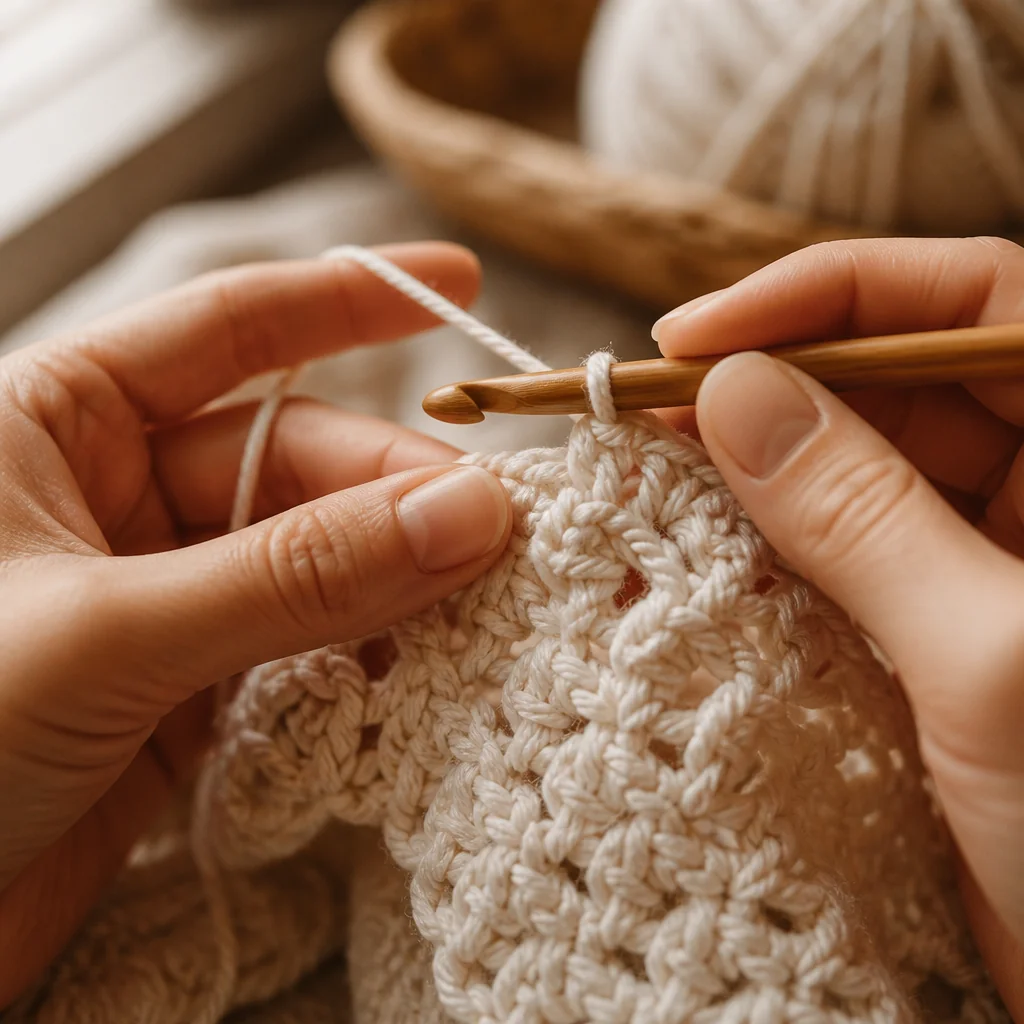
Three fibers dominate the crochet world: acrylic, cotton, and wool. Each has its own personality, strengths, and quirks. Once you understand them, choosing yarn becomes less about guessing and more about making an informed choice that fits your project.
Acrylic: The Accessible Starter Fiber
Acrylic is the entry point for many crocheters, and for good reason. It's affordable, widely available, and forgiving—qualities that make it ideal for anyone learning the craft.
Why acrylic works so well:
First, it's budget-friendly. You can pick up quality acrylic yarn for a fraction of the cost of wool or cotton. This matters when you're practicing, experimenting with new stitch patterns, or committing to a large project like an afghan. You won't feel guilty ripping back a few rows and starting over.
Second, acrylic is incredibly versatile in color. Manufacturers create virtually every shade imaginable—neons, pastels, variegated patterns, and everything in between. If you're making a blanket for a nursery or an amigurumi character, acrylic likely has the exact color in your mind.
Third, it's durable and low-maintenance. Machine washable acrylic means your finished projects can handle regular wear and washing without special care. Blankets, stuffed animals, baby items, and practice swatches are all ideal for acrylic.
The trade-offs:
Acrylic is a synthetic fiber, which means it doesn't breathe like natural fibers do. A sweater or shawlette made from acrylic can feel too warm in humid summer weather or in poorly ventilated spaces. Some people find acrylic less pleasant to work with because it can feel plasticky compared to natural fibers, and it doesn't have as much elasticity. If your tension tends to be tight, acrylic won't forgive you quite as gracefully as wool.
Some acrylic yarns can pill over time with heavy use, though quality varies widely between brands.
Cotton: The Crisp, Definition-Driven Choice
Cotton is the fiber for makers who care about stitch clarity and structure. It's perfect for projects where every stitch should shine.
Why cotton excels:
Cotton has stunning stitch definition. Because the fiber doesn't have the give and bounce of wool, each stitch sits clear and distinct. This makes cotton the go-to for amigurumi faces (those tiny features pop), dishcloths (your pattern stands out), market bags (the structure holds), and intricate lace designs (every eyelet is visible).
Cotton is also naturally breathable. A linen-cotton blend or 100% cotton summer top feels airy and comfortable in warm weather. It drapes beautifully and won't cling to your body.
Because it's a natural fiber, cotton is hypoallergenic and comfortable for people with sensitivities. It's washable (usually machine washable, though some premium cottons prefer gentle washing) and holds up well to regular use.
The trade-offs:
Cotton has little to no stretch, which means your tension must stay consistent throughout the project. If you're still building muscle memory around even tension, cotton will show every inconsistency. Tight stitches will look tight, loose ones will look loose, and there's nowhere for the yarn to give.
Cotton is heavier than acrylic of the same weight category. A cotton blanket will feel substantial and dense—cozy if that's what you want, but challenging if you're making something meant to drape. For large projects, the weight can put strain on your hands and wrists.
Cotton tends to be pricier than acrylic and can have fewer color options, though the range is improving.
Wool: The Elastic, Temperature-Regulating Workhorse
Wool is the classic crochet fiber, beloved for its warmth, elasticity, and forgiving nature. It's what you reach for when you want cozy.
Why wool is special:
Wool is elastic and bouncy, which makes it incredibly forgiving if your tension wavers. A stitch that's slightly too tight or too loose won't show as dramatically in wool as it would in cotton. This makes wool a wonderful choice for more advanced stitch patterns where tension consistency matters, or for anyone who wants their tension imperfections to blend in.
Wool regulates temperature beautifully. It's warm without feeling heavy, and it breathes better than acrylic. A wool sweater keeps you cozy without overheating.
Wool also has natural memory and elasticity, which means your finished pieces hold their shape and bounce back after washing (when done gently). Hats, mittens, sweaters, and fitted garments all benefit from this property.
The trade-offs:
Most wool requires hand washing in cool water, which adds care steps compared to machine-washable acrylic. This is worth considering if you're making gifts for people who aren't interested in hand washing.
Many people are sensitive to wool—the fiber can feel scratchy or itchy against the skin. Superwash wool (specially treated to be machine washable) and wool blends can offer a middle ground, providing some of wool's benefits with more comfort and easier care.
Wool is more expensive than acrylic and typically costs more than cotton. If budget is tight, this might narrow your options.
Some people have ethical concerns about wool production, though this varies by farm and production method. If this matters to you, research your yarn brand's practices.
Blends: The Best of Both Worlds?
Don't overlook yarn blends. Cotton-acrylic blends combine the durability of acrylic with cotton's stitch definition. Wool blends might pair wool's elasticity with cotton's breathability or acrylic's affordability. Blends won't have all the advantages of either fiber on its own, but they offer balanced compromises that work beautifully for many projects.
Choosing Your Fiber: A Practical Decision Tree
Are you a beginner? Start with acrylic. It's forgiving, affordable, and builds confidence without financial risk.
Making something for the kitchen, bathroom, or heavy use? Cotton is your best friend. Its durability and washability make it ideal for dishcloths, washcloths, and everyday items.
Creating a garment for warmth? Wool or a wool blend gives you the elasticity and temperature regulation you need.
Making amigurumi with clear stitch definition? Cotton or a cotton blend will make your work shine.
Working on a large, ambitious project with limited budget? Acrylic is practical and comes in enough colors to keep you excited.
Need something hypoallergenic? Cotton or superwash wool are your safest bets.
There's No "Best"—Only Best for You
After years of crocheting, experienced makers often have strong preferences. But preference comes from experience. You might discover you love working with wool, or you might find acrylic is all you need. Some makers switch fibers based on the project. Others develop a go-to fiber and explore it deeply.
The real way to know what works for you is to try it. Grab a small skein of each—acrylic, cotton, and wool—and make a simple dishcloth or small blanket square with each one. Feel how it works in your hands. Notice the stitch definition, the elasticity, how it feels against your skin. Pay attention to how your hands feel after an hour of crocheting with each fiber.
Then choose the fiber that feels right for your next project. There's no wrong answer, only the yarn that makes sense for what you're making and how you want to make it.
Next step
Explore our complete yarn guide