Ergonomic Crochet Hooks: Do They Actually Help with Hand Pain?
by Crochets Studio — A fiber artist and craft accessibility advocate, I've spent over a decade exploring how small design choices transform our relationship with the tools we love. I write to meet crocheters where they are—celebrating the craft while troubleshooting the real challenges that show up in our hands.
Ergonomic crochet hooks genuinely help many crocheters manage hand pain, but success depends on choosing the right fit for your hands and pairing your hook with smart work habits. While occupational therapists support their benefits for arthritis and carpal tunnel syndrome, the hook itself is only part of the solution.
Understanding What Makes a Hook Ergonomic
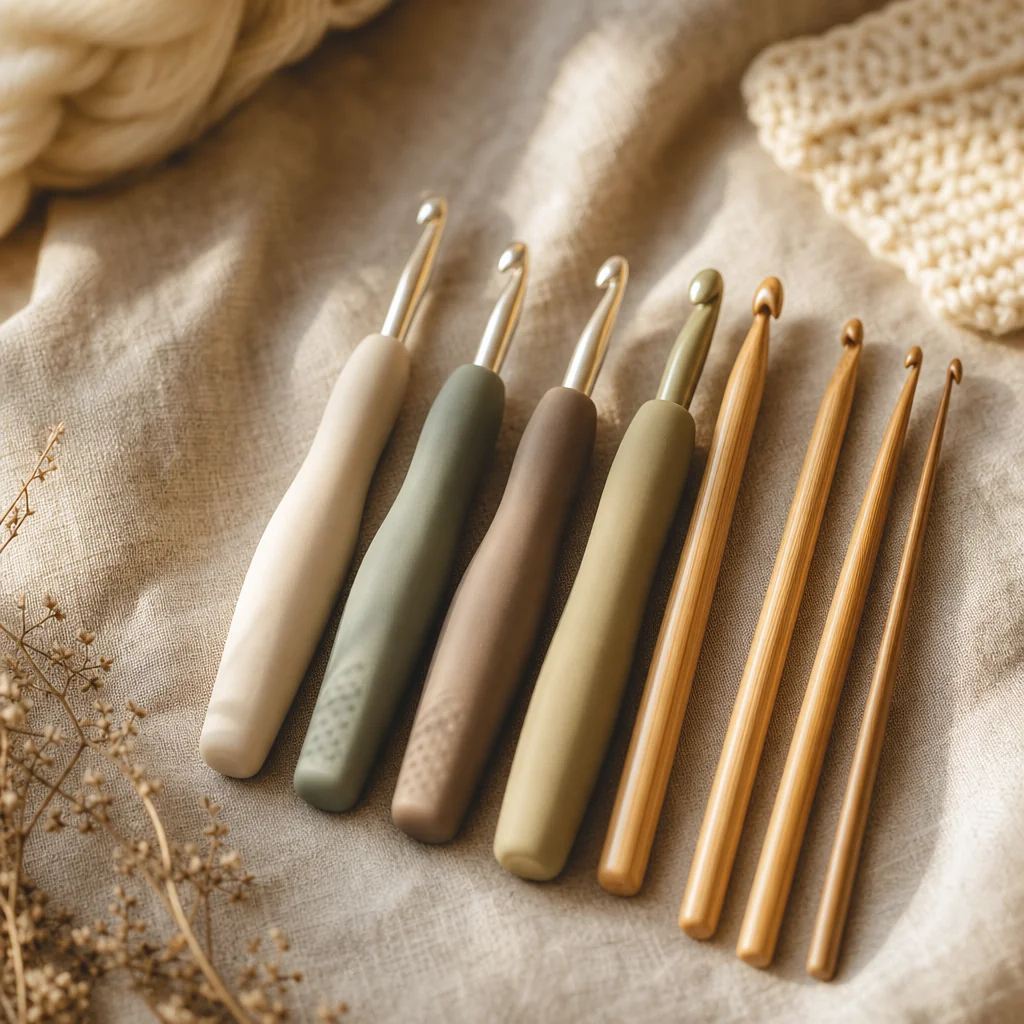
When crocheters talk about ergonomic hooks, they're referring to design features specifically intended to reduce strain and distribute pressure more evenly across your hand. Most ergonomic hooks feature a padded or cushioned handle, a contoured shape that fits the natural curve of your palm, and often a flatter or wider thumb rest. Some brands incorporate a gentle slope or radius that encourages a more relaxed grip position.
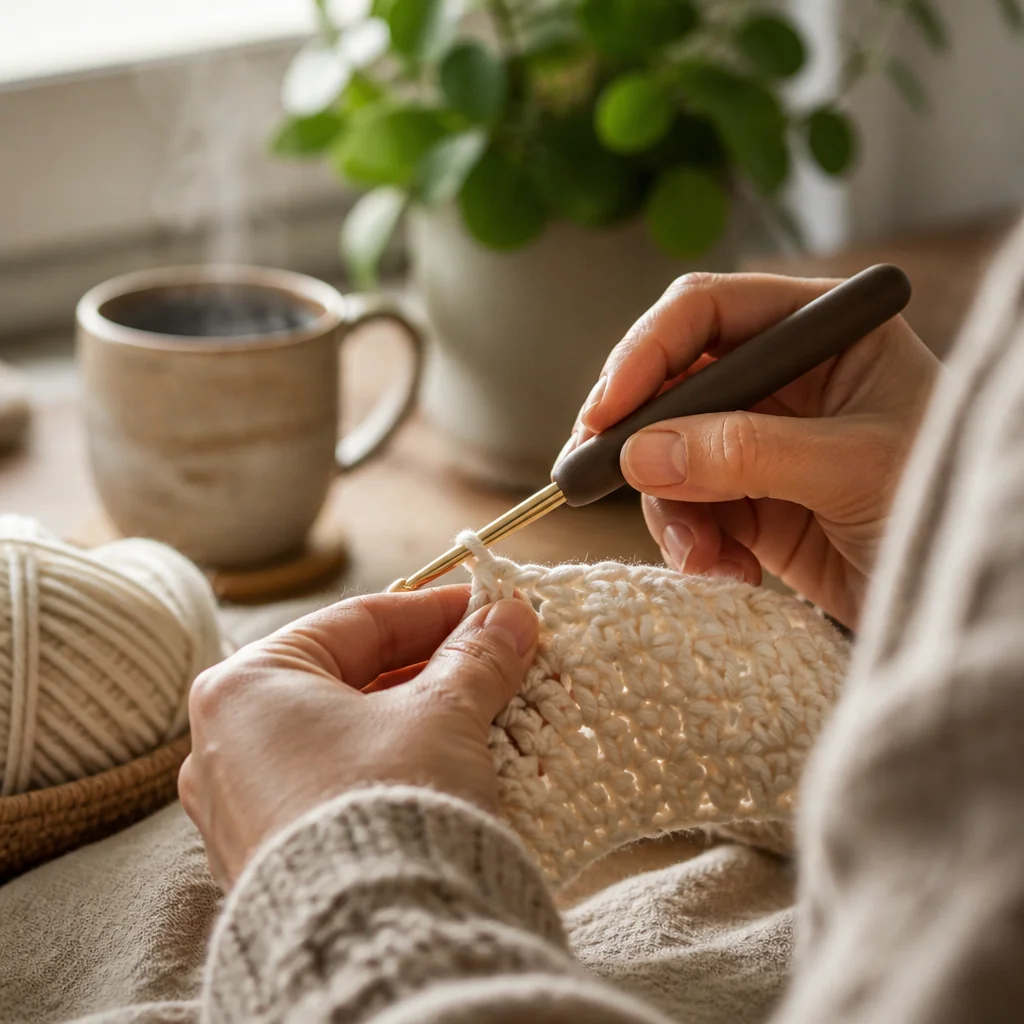
The core principle behind ergonomic design is simple: instead of concentrating all your grip pressure into your fingertips—which is what happens with thin, cylindrical hooks—these tools spread that pressure across your entire palm and fingers. This distribution matters more than you might think, especially during those long crochet sessions when your hands are working hard.
How Grip Design Affects Your Hands
A standard crochet hook requires you to pinch tightly to maintain control, particularly if the handle is thin. This pinch-grip activates the small muscles in your fingers and forearm intensively. Over time, this repetitive tension can lead to fatigue, numbness, or pain. Ergonomic hooks reduce the need for that death-grip by offering more surface area to hold onto and a shape your hand naturally wants to grasp.
What Occupational Therapists Actually Say
While there isn't a large-scale clinical trial specifically examining crochet hooks and hand pain, occupational therapists widely recommend tools with ergonomic grips for people managing arthritis, carpal tunnel syndrome, tendinitis, or general hand fatigue. The principle applies across many repetitive grip activities—from writing to knitting to crochet.
Occupational therapists consistently point to a few evidence-backed factors:
- Reduced pinch pressure helps protect joints and tendons, especially for those with inflammatory conditions.
- Proper weight distribution prevents your hand from compensating with tension in your wrist and shoulder.
- Comfortable grip diameter encourages a more relaxed hand position, which reduces overall fatigue.
Anecdotally, many crocheters report significant relief after switching to ergonomic hooks. Some describe going from hand pain that ended their sessions after 30 minutes to being able to crochet comfortably for two or three hours. That said, individual results vary widely depending on the specific hook, your hand size, and your existing tension habits.
The Reality Check
No hook—ergonomic or otherwise—can completely eliminate hand pain if your tension is chronically tight or if you're ignoring early warning signs of strain. The hook is a tool that supports better habits, not a substitute for them.
What Actually Makes a Difference: The Key Factors
Grip Diameter
Research on writing instruments and hand tools shows that a slightly thicker handle—roughly between 8-10mm diameter—reduces muscular effort more effectively than any particular shape alone. A thicker handle gives your fingers less work to do because they don't need to contract as hard to maintain grip. For crochet hooks specifically, many crocheters find that a handle thickness closer to a marker or pencil (rather than a thin wooden hook) feels noticeably easier on their hands.
However, thicker isn't automatically better. If a handle is too thick relative to your hand size, you'll actually create more tension trying to wrap your fingers around it. This is why trying before buying matters so much.
Weight and Balance
A lighter hook reduces fatigue during extended sessions. Heavier hooks—particularly metal ones or those with dense padding—require more effort from your hand and forearm to move and control. If you're already managing hand pain, adding unnecessary weight works against you. Aluminum and bamboo hooks are generally lighter than wood, and some modern ergonomic designs use hollow cores or lightweight composite materials to keep weight minimal without sacrificing durability.
Balance also matters. A hook that's too light-headed (where the working end is heavier) can strain your wrist position. You want the weight distributed evenly along the hook's length.
Your Tension Habits
Here's the uncomfortable truth: the most important factor is you. Your grip tension and crochet tension matter more than your hook choice. Many crocheters hold their hooks far too tightly out of habit or fear of dropping stitches. An ergonomic hook won't help if you're still gripping it like you're trying to strangle it.
Loosening your grip—consciously relaxing your fingers while still maintaining control—is often more impactful than switching hooks. The hook is just enabling better habits; it can't force them.
Hook Features Worth Considering
Handle Material and Padding
Padded or cushioned handles (often made from silicone, foam, or rubber) provide comfort and some shock absorption. However, cheaper padding can compress over time and lose its effectiveness. Better-quality padding maintains its properties through months of regular use.
Some crocheters prefer non-padded handles in smooth materials like bamboo or wood, finding they're easier to clean and don't trap lint or hair. The right choice is personal.
Thumb Rest
A defined thumb rest—a flat area or slight indentation where your thumb naturally rests—can significantly reduce thumb strain. Without a proper thumb rest, your thumb does extra work stabilizing the hook, which can lead to thumb joint pain or tendinitis.
Hook Eye Size
While not strictly ergonomic, the hook eye size affects how easily yarn flows through. A slightly larger eye reduces resistance, meaning you need less grip pressure and wrist movement to pull yarn through. This compounds the benefits of a thicker handle.
Testing Before You Commit
Ergonomic hooks vary dramatically between brands and designs. What feels like a dream to one crocheter might feel awkward to another. Hand size, finger length, and even the angle you naturally hold a hook all influence whether a particular ergonomic design works for you.
Ways to Try Before Buying
- Borrow from a friend if someone you know crochets with an ergonomic hook. A 15-minute test can tell you a lot.
- Buy a single hook first rather than a whole set. If you love it, invest in multiple sizes. If it doesn't work, you've only spent money on one hook.
- Check return policies at online retailers. Some are generous enough that you can test a hook at home and return it if it's not right.
- Attend fiber festivals or craft markets where vendors often let you handle hooks before purchasing.
- Ask in crochet communities if anyone nearby has the specific hook you're considering. Most crocheters are generous about letting others test their tools.
Beyond the Hook: Habits That Protect Your Hands
The most effective approach to hand health combines tool choice with smart work practices. These habits are just as important as your hook:
Take Regular Breaks
Work for 20-30 minutes, then rest your hands for 5-10 minutes. During breaks, stretch your fingers, flex your wrists, and shake out any tension. These micro-breaks accumulate dramatically over a day of crocheting and help prevent that end-of-session pain that builds up.
Stretch Intentionally
Specific hand and forearm stretches reduce tension and improve flexibility. Hold your arm out straight, use your other hand to gently press your fingers backward for 15-20 seconds. Rotate your wrists slowly in both directions. Shake your hands out as if you're trying to fling water off them. Do these stretches between projects or even between rows if you're feeling tight.
Relax Your Tension
Many beginning and intermediate crocheters pull yarn too tightly, which creates tension throughout the hand and forearm. Consciously loosen your tension—you don't need white knuckles to make even stitches. Most crocheters can loosen their tension by about 20% without losing stitch definition. This one change often reduces hand pain more than anything else.
Invest in Good Lighting
Poor lighting causes you to lean closer and tense up unconsciously. A good craft lamp reduces eye strain and allows your shoulders, neck, and hands to stay more relaxed.
Pay Attention to Your Posture
Sit with your feet flat and your back supported. Hold your work at a comfortable height—roughly at waist level when seated. Your wrists should stay relatively neutral, not bent backward or twisted. Good posture prevents compensatory tension that travels up from your wrists.
Real Stories: When Ergonomic Hooks Help Most
Crocheters managing arthritis, carpal tunnel syndrome, or recovering from hand injuries consistently report that ergonomic hooks extend their comfortable working time significantly. Someone who could only crochet for 20 minutes before pain set in might find they can work for 90 minutes comfortably with the right ergonomic hook plus good habits.
Even crocheters without diagnosed conditions notice the difference. Those prone to hand fatigue after long sessions find that ergonomic hooks reduce that tired, achy feeling. Younger crocheters sometimes use them preventatively, knowing that repetitive strain injuries catch up with us eventually.
That said, ergonomic hooks don't work miracles for everyone. Some people genuinely prefer thin wooden hooks and feel no strain. Others find that even premium ergonomic hooks don't eliminate pain caused by tight tension habits. Individual variation is real.
Finding Your Perfect Hook
The best ergonomic hook is the one you'll actually use comfortably. Rather than chasing the most expensive or most-reviewed option, think about what your hands need:
- If you have small hands, look for hooks with narrower handles (7-8mm rather than 10mm).
- If you have arthritis or significant hand pain, prioritize cushioned handles and a defined thumb rest.
- If you crochet for hours at a time, weight becomes crucial—prioritize lightweight options.
- If you value durability and low maintenance, consider non-padded bamboo or wood with ergonomic shaping.
- If you want versatility, look for brands offering multiple hook sizes in the same ergonomic design so your hands stay consistent across different projects.
Ergonomic hooks are a worthwhile investment if hand comfort matters to you. They're not a magic fix, but paired with intentional breaks, proper tension, and good habits, they genuinely can transform your crochet experience from something that leaves your hands aching to something that feels sustainable for hours.
Next step
Shop ergonomic crochet hooks