Yarn Weight Guide: From Lace to Jumbo, Explained
by Crochets Studio — Sarah is a fiber artist and crochet educator based in Montreal who believes yarn weight is the foundation of every successful project. She's been teaching crocheters to match their materials to their intentions for over eight years.
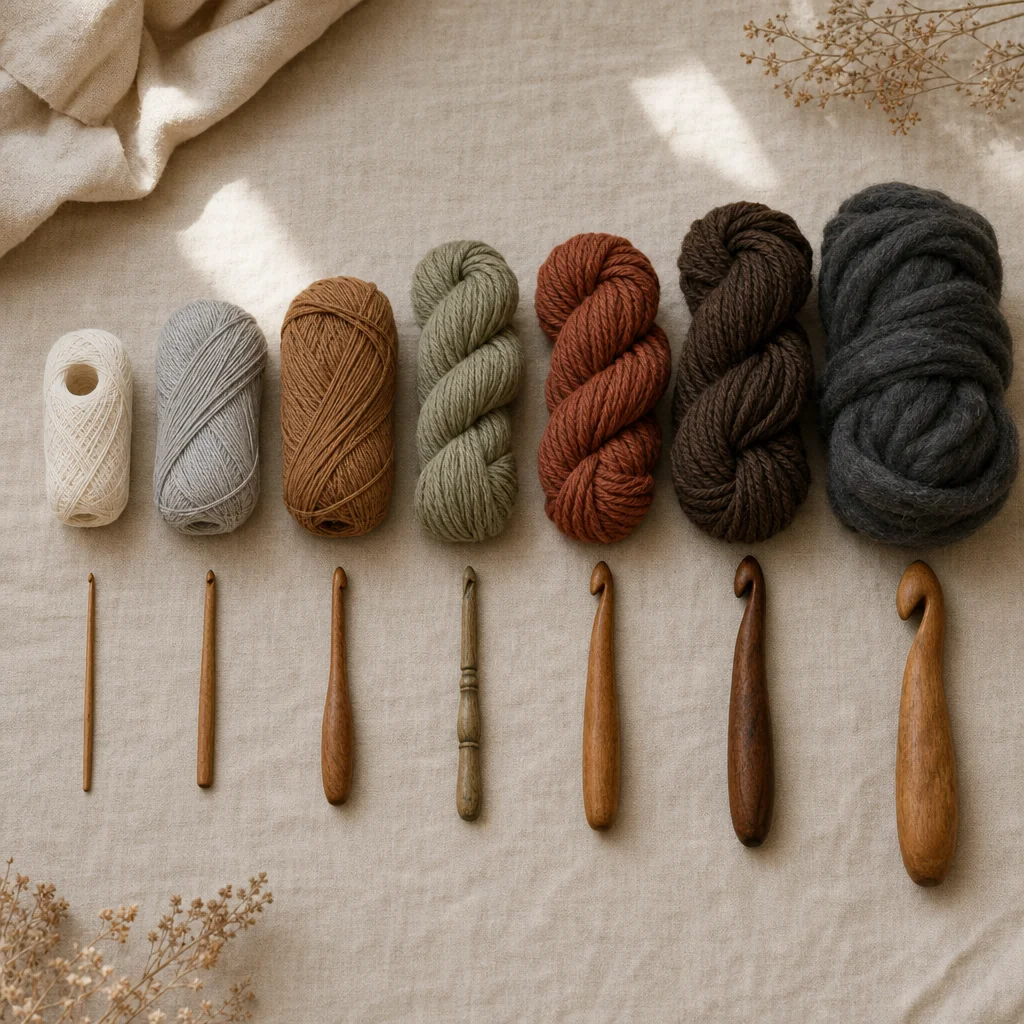
Yarn weight is the thickness of your yarn—not how heavy it is—and it's one of the most important decisions you'll make when starting a crochet project. This guide breaks down all seven standard yarn weights, from gossamer lace thread to ultra-thick jumbo yarn, so you know exactly which weight works best for your next project and what hook size to use. Whether you're a beginner picking up a crochet hook for the first time or an experienced maker exploring new textures, understanding yarn weight takes the guesswork out of yarn shopping.
Why Yarn Weight Matters
When you pick up a ball of yarn, it's easy to assume that a heavier ball means thicker yarn. But in the crochet world, yarn weight tells a different story—it refers to the thickness of individual strands, not the total weight of the ball. This distinction matters enormously because yarn weight directly affects three critical aspects of your project: the hook size you'll use, the gauge (how tight or loose your stitches are), and ultimately, the size and drape of your finished piece.
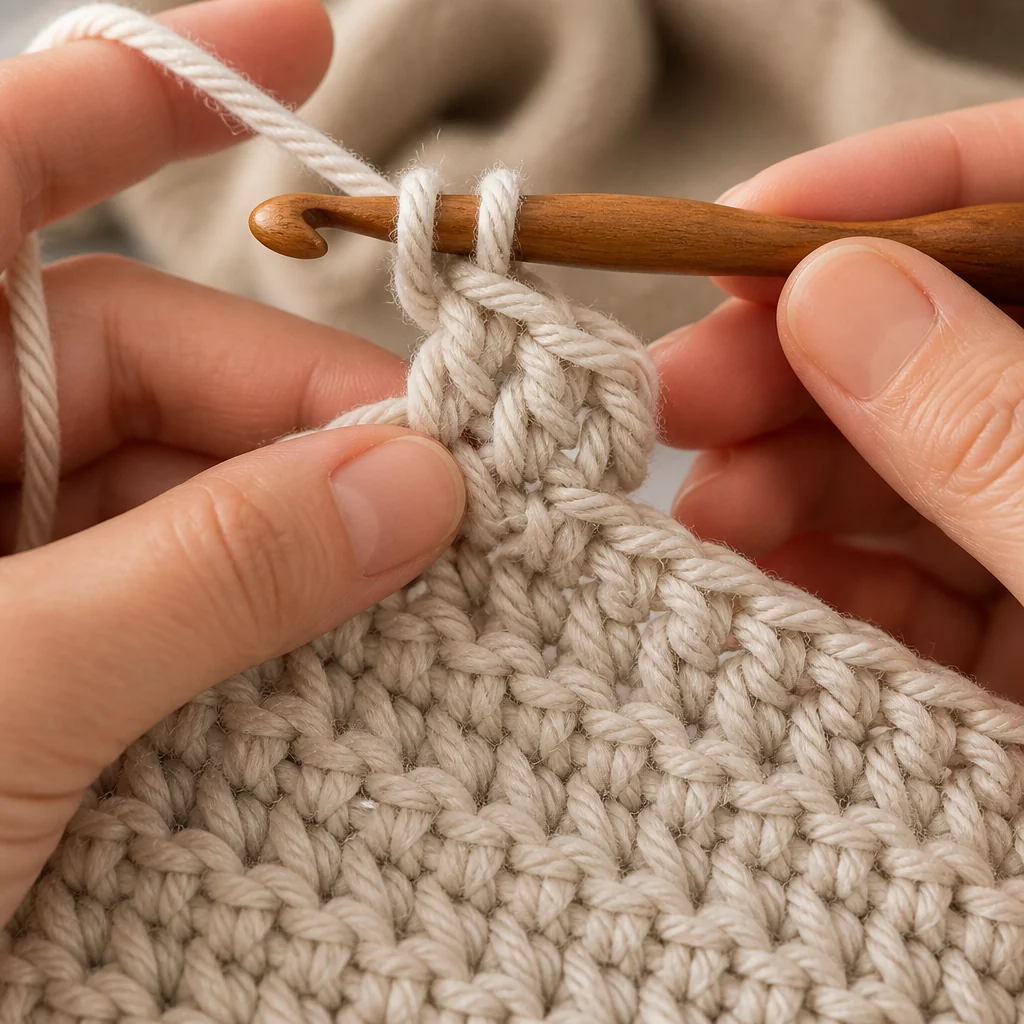
Choosing the right yarn weight for your project is like picking the right ingredients for a recipe. Use the wrong one, and your finished piece might be too stiff, too floppy, too small, or take forever to complete. Get it right, and you'll cruise through your project with beautiful, consistent results.
Understanding the Seven Standard Yarn Weights
The Craft and Hobby Association established seven standard yarn weight categories, numbered 0 through 7. Each category comes with recommended hook sizes and ideal uses. Think of these as your roadmap when shopping for yarn or starting a new pattern.
Weight 0: Lace
Lace yarn is the finest weight available—so delicate it almost feels like thread in your hands. It's designed for gossamer-thin fabrics that drape beautifully against the skin.
Best for: Delicate doilies, lightweight shawlettes, fine amigurumi, vintage-inspired lace garments
Recommended hook size: 1.5–2.25mm (Steel hooks are common for this weight)
Project time: Slower pace—these projects require patience and precision
Why choose it: If you love intricate, detailed work and want to create heirloom-quality pieces that feel luxurious and breathe beautifully, lace weight is your friend.
Weight 1: Super Fine (Fingering, Sock)
Super fine yarn is still delicate but slightly thicker than lace. It's traditionally used for socks and baby items because it's soft, fine enough for intricate stitches, yet durable enough for everyday wear.
Best for: Baby booties, fine socks, delicate baby blankets, intricate shawls, detailed amigurumi
Recommended hook size: 2.25–3.5mm
Project time: Moderate—you're building something solid but with room for detail
Why choose it: Super fine yarn gives you the best of both worlds: enough structure to hold its shape while remaining soft and beautiful. It's ideal when you want durability without bulk.
Weight 2: Fine (Sport, Baby)
Fine yarn sits in the sweet spot for many crocheters. It's delicate enough to show off stitch detail but thick enough to work up in a reasonable timeframe. Most baby items call for this weight because it's gentle and easy to work with.
Best for: Baby blankets, baby sweaters, lightweight garments, delicate tops, dishcloths
Recommended hook size: 3.5–4.5mm
Project time: Medium pace—a baby blanket might take a few weeks of steady work
Why choose it: If this is your first venture into garment making or you're not sure what weight to choose, fine yarn is incredibly forgiving. It drapes well, shows stitch definition, and doesn't tire your hands out.
Weight 3: Light (DK, Light Worsted)
Light weight yarn opens up a world of possibilities. It's thick enough to work up relatively quickly but fine enough to create beautiful stitch definition. Many versatile patterns call for this weight.
Best for: Sweaters, cardigans, blankets, scarves, hats, mesh tops, tunics
Recommended hook size: 4.5–5.5mm
Project time: Moderate to quick—a sweater could take 2–4 weeks
Why choose it: Light weight is the Goldilocks of yarn—not too thin, not too thick. It's perfect for someone wanting to experiment with different project types without committing to the slowness of fingering weight or the bulk of worsted.
Weight 4: Medium (Worsted, Aran)
Medium weight is the most popular yarn weight in the crochet world, and for good reason. It's thick enough to work up quickly, fine enough to show off beautiful stitch detail, and comes in countless colors and fiber blends.
Best for: Sweaters, afghans, cozy blankets, scarves, hats, amigurumi, home décor projects
Recommended hook size: 5.5–6.5mm
Project time: Quick—many projects finish in 1–3 weeks
Why choose it: If you're not sure where to start, medium weight is a safe bet. It's beginner-friendly, widely available, and forgiving. Plus, finished projects look polished without being delicate.
Weight 5: Bulky (Chunky, Craft, Rug)
Bulky yarn is where speed meets coziness. With fewer stitches needed to cover area, projects fly off your hook. It's perfect for anyone who wants satisfying, visible progress.
Best for: Chunky blankets, cozy scarves, oversized sweaters, rugs, poufs, quick cowls, chunky amigurumi
Recommended hook size: 6.5–9mm
Project time: Fast—a blanket might take just 1–2 weeks
Why choose it: Bulky weight is perfect for gratification-driven projects. You can see real progress in a single sitting. It's also wonderful for using up stash yarn and creating statement pieces.
Weight 6: Super Bulky (Super Chunky, Roving)
Super bulky yarn is thick, bold, and unapologetic. Projects zip along because each stitch covers significant ground. The trade-off is that you see less stitch definition, so pattern choices matter.
Best for: Extra-cozy blankets, quick scarves, thick rugs, sculptural wall hangings, chunky cowls, statement hats
Recommended hook size: 9–15mm
Project time: Very fast—a blanket might finish in days
Why choose it: Choose super bulky when you want immediate satisfaction or when you're gifting something and time is tight. The bold, textured look is trendy and Instagram-worthy.
Weight 7: Jumbo
Jumbo is the thickest yarn available—almost rope-like. It's becoming increasingly popular for dramatic, sculptural projects and modern home décor. Each stitch is a statement.
Best for: Sculptural wall hangings, chunky scarves, statement blankets, modern rugs, artistic installations, quick gifts
Recommended hook size: 15mm and up (sometimes 20–30mm or larger)
Project time: Ultra-fast—a small blanket could finish in a few hours
Why choose it: Jumbo yarn is for when you want pure visual impact. It's bold, modern, and feels luxurious. It's also perfect for someone with hand pain or arthritis, as holding large hooks and yarn requires less precision.
Choosing the Right Weight for Your Project
Consider the End Use
What will your finished piece do? A lacy shawl wants lace or super fine weight so it floats gracefully. A sturdy rug needs bulky or super bulky weight to hold its shape. A delicate baby blanket works best in fine or sport weight. Let function guide your choice.
Think About Drape
Finer weights drape and flow beautifully—ideal for garments that touch the skin. Heavier weights hold their shape—perfect for structured pieces or items that need to stand up to wear and tear.
Factor in Your Patience Level
Honestly assess how quickly you want to finish. If you need a project done in a week, bulky or super bulky is your answer. If you love intricate work and don't mind taking months, go fine or super fine.
Check the Pattern First
Always start with the yarn weight the pattern recommends. Pattern designers test their work with specific weights because they know how the final piece should look and feel. If you substitute, stay within the same weight category when possible.
Reading Yarn Labels
Every skein of yarn has a label with crucial information. Look for the yarn weight symbol (usually a number 0–7) and the recommended hook size range. The label also tells you fiber content, yardage, and care instructions. Don't ignore this information—it's your guarantee of success.
Substituting Yarn: Do's and Don'ts
Do: Substitute within the same weight category. A worsted weight (4) yarn can generally swap for another worsted weight yarn.
Do: Check yardage carefully. Make sure your substitute has enough yardage to complete the project.
Do: Consider fiber content. Wool behaves differently than acrylic or cotton, so test your tension.
Don't: Substitute from weight 3 to weight 5 and expect the same result. The difference is too significant.
Don't: Assume all "medium" yarns are the same. Read the label and compare yardage per ounce.
Final Thoughts
Yarn weight is your secret weapon for confident yarn shopping and successful projects. Once you understand the seven weights and what each is designed to do, you'll stop feeling overwhelmed at the yarn shop and start choosing with intention. Whether you're drawn to the delicate intricacy of lace weight or the satisfying speed of jumbo, there's a perfect weight waiting for your next project.
The beauty of crochet is that there's no "wrong" weight—only the weight that's right for what you're making and how you like to work. Start by exploring the weight category that matches your current project, then experiment as your confidence grows.
Next step
Explore our yarn weight finder tool