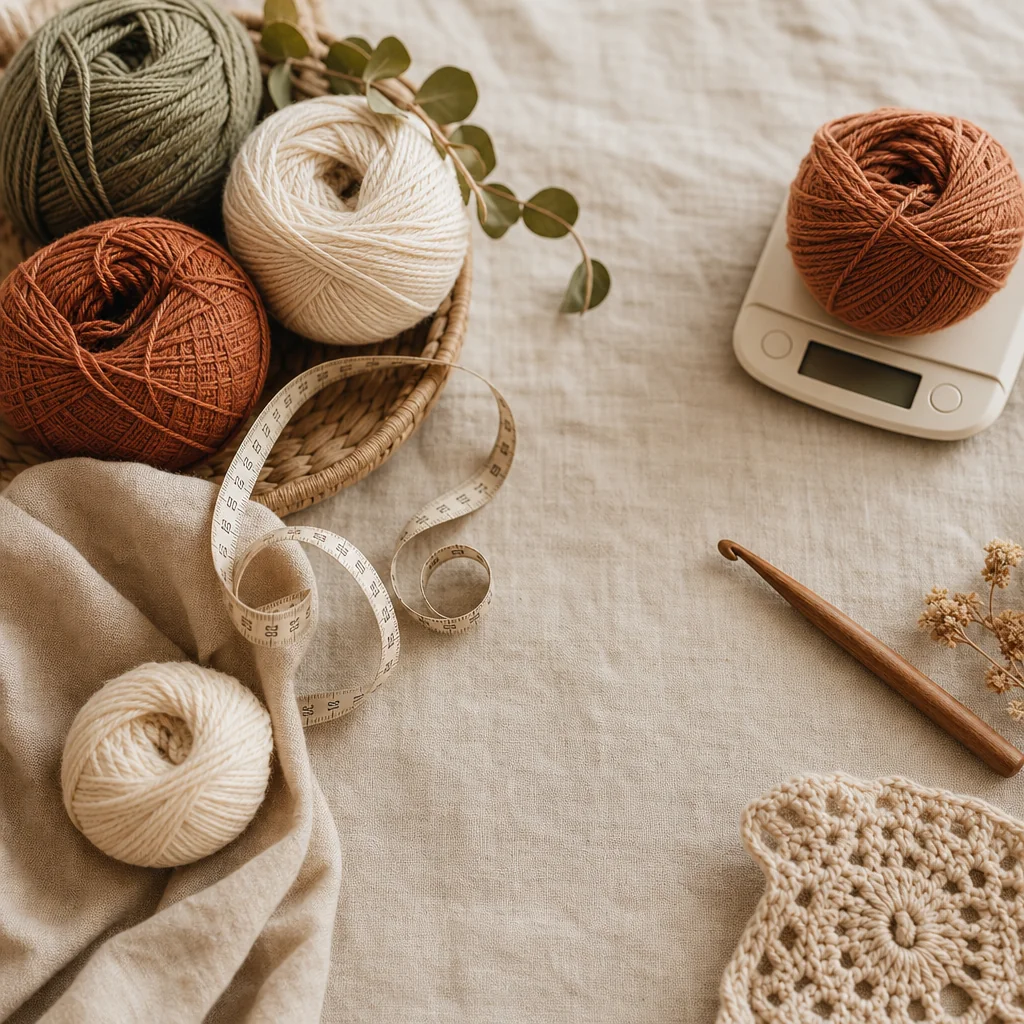
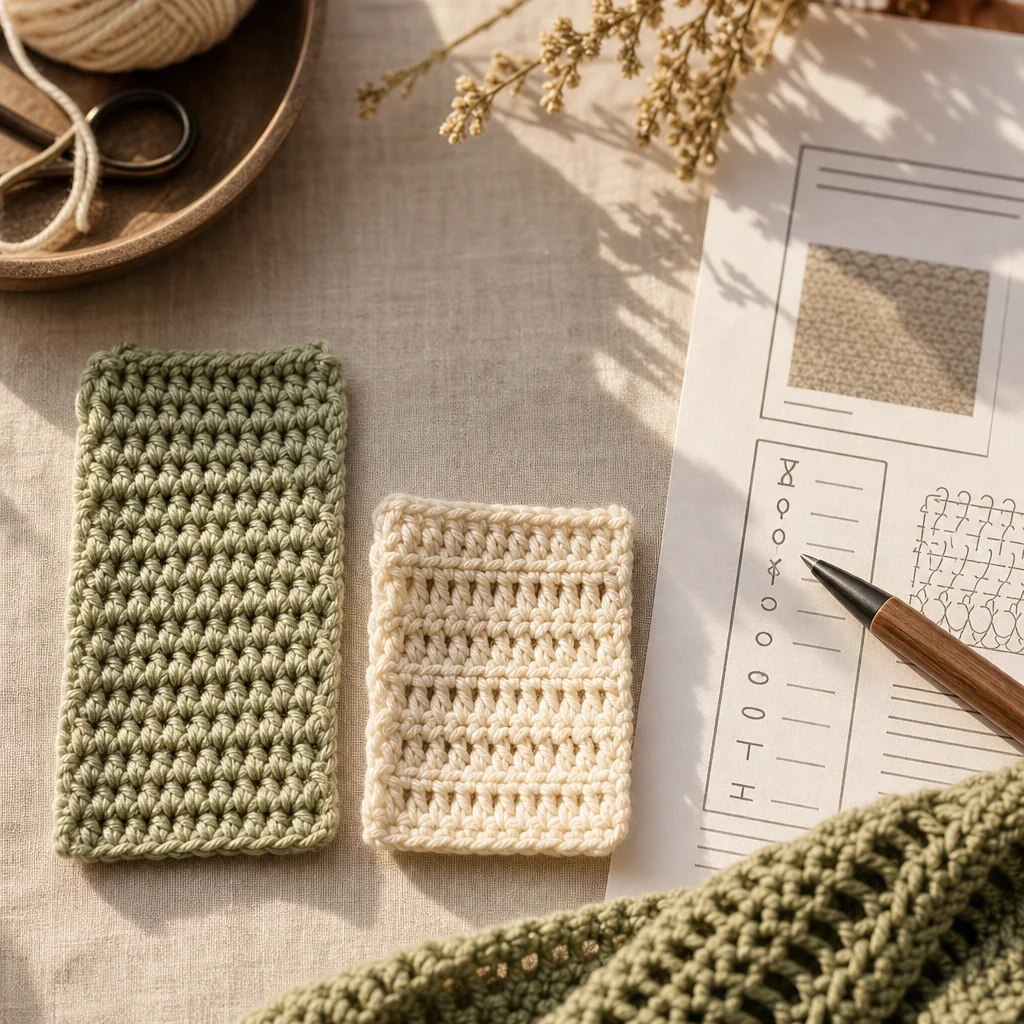
The secret to never abandoning a project mid-stitch is knowing exactly how much yarn you need before you cast on. We'll walk you through the math, the shortcuts, and the safety margin that keeps your projects on track.
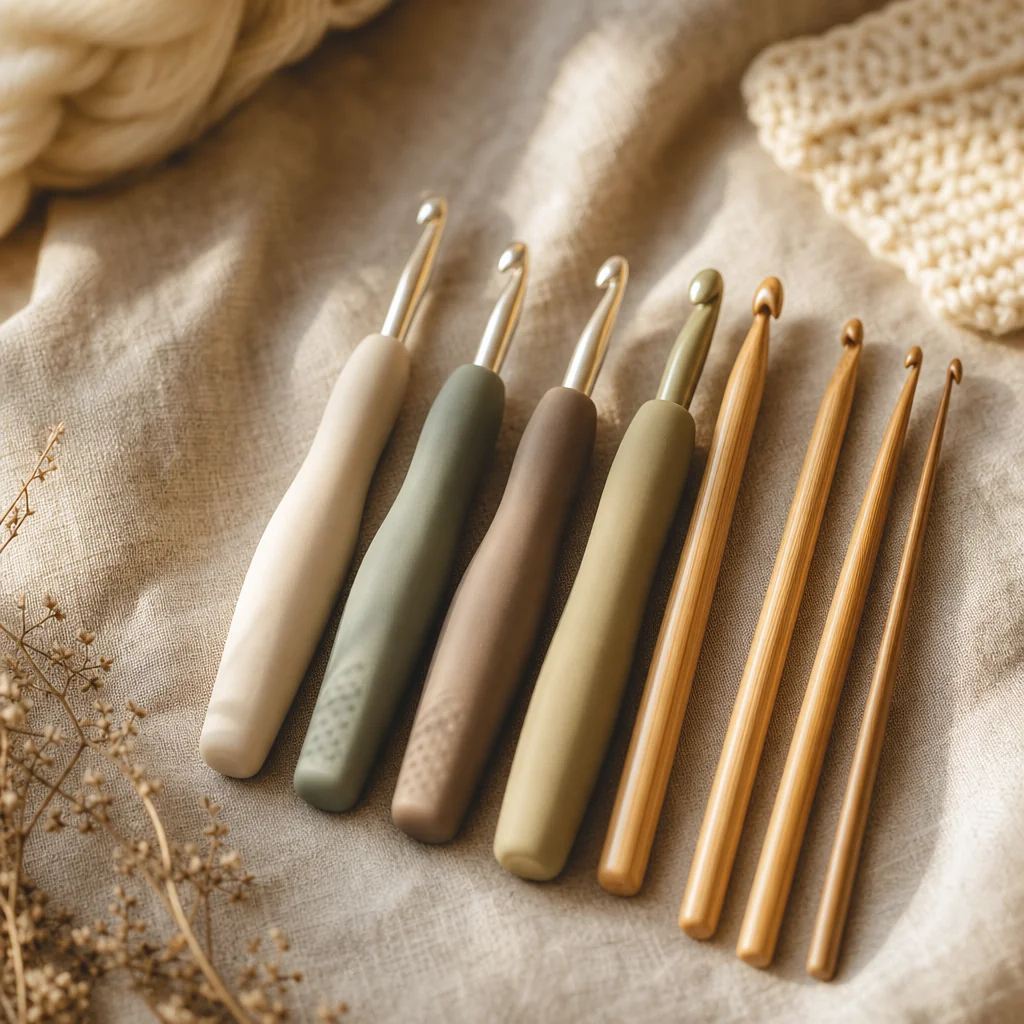
Ergonomic hooks can help reduce hand strain, but they're not a magic fix on their own. The real relief comes from combining the right tool with good tension habits and regular breaks.
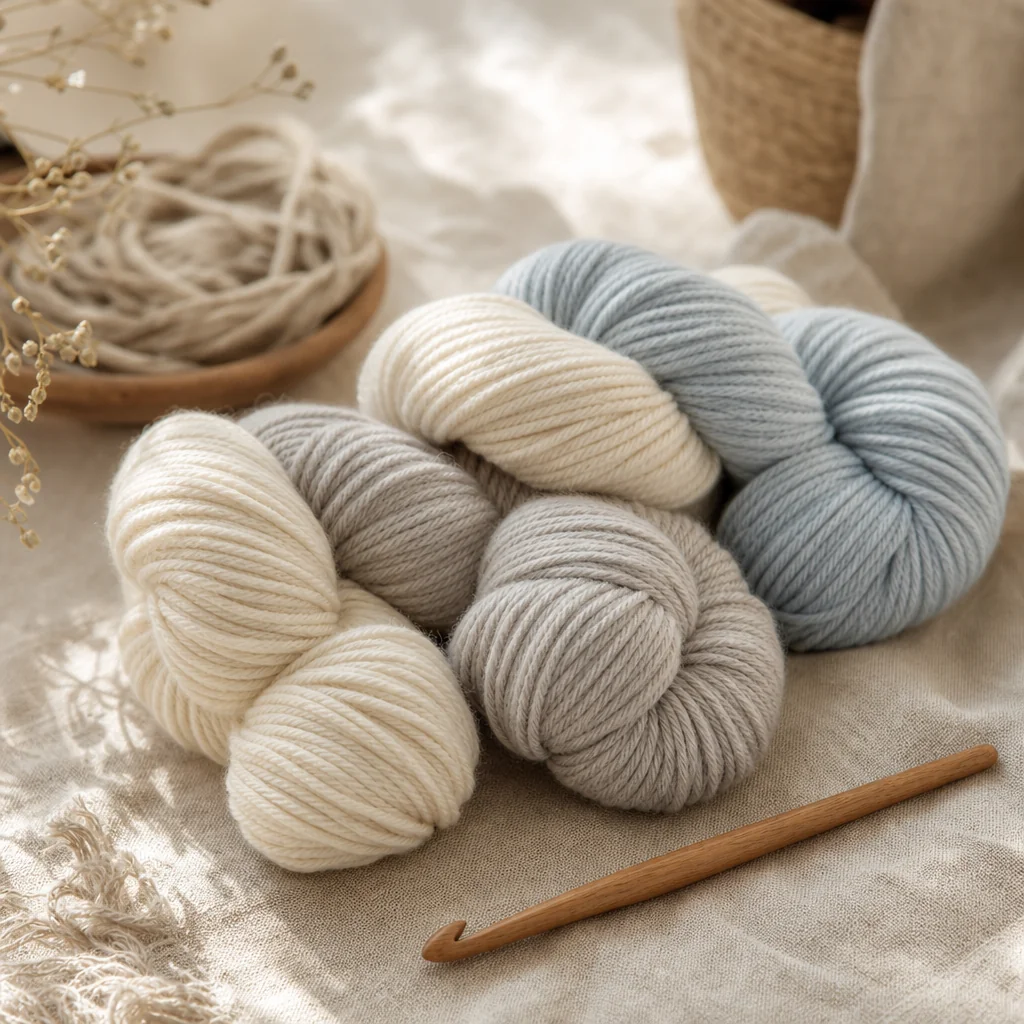
The best beginner yarn in Canada is a smooth, light-coloured, medium weight (worsted/4) acrylic like Red Heart Super Saver or Caron Simply Soft. You'll find it easily at Michaels, Walmart, or your local yarn shop without breaking your budget.
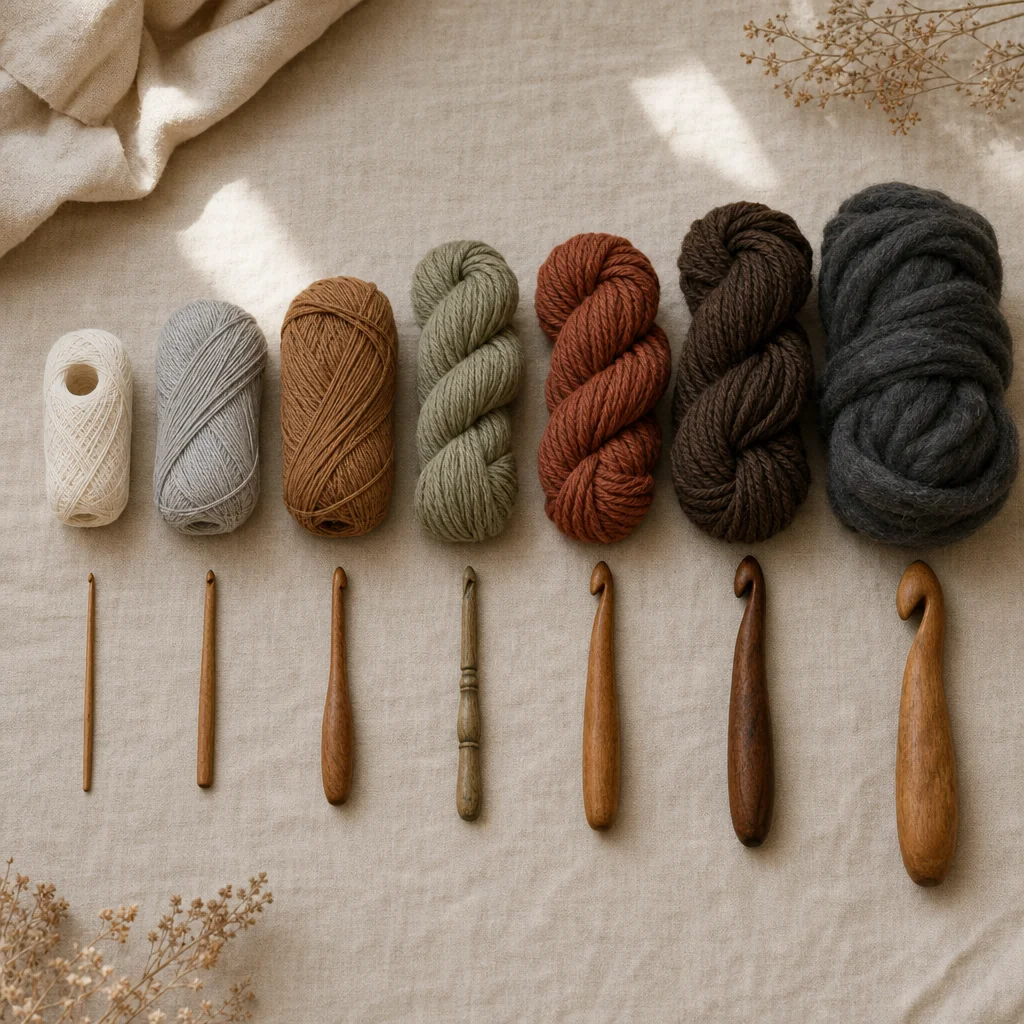
Yarn weight describes how thick your yarn is, not its actual weight, and it's the key to choosing the right yarn and hook for your projects. Understanding the seven standard yarn weights makes it easy to pick the perfect yarn every time, whether you're working on delicate lace or a cozy jumbo blanket.
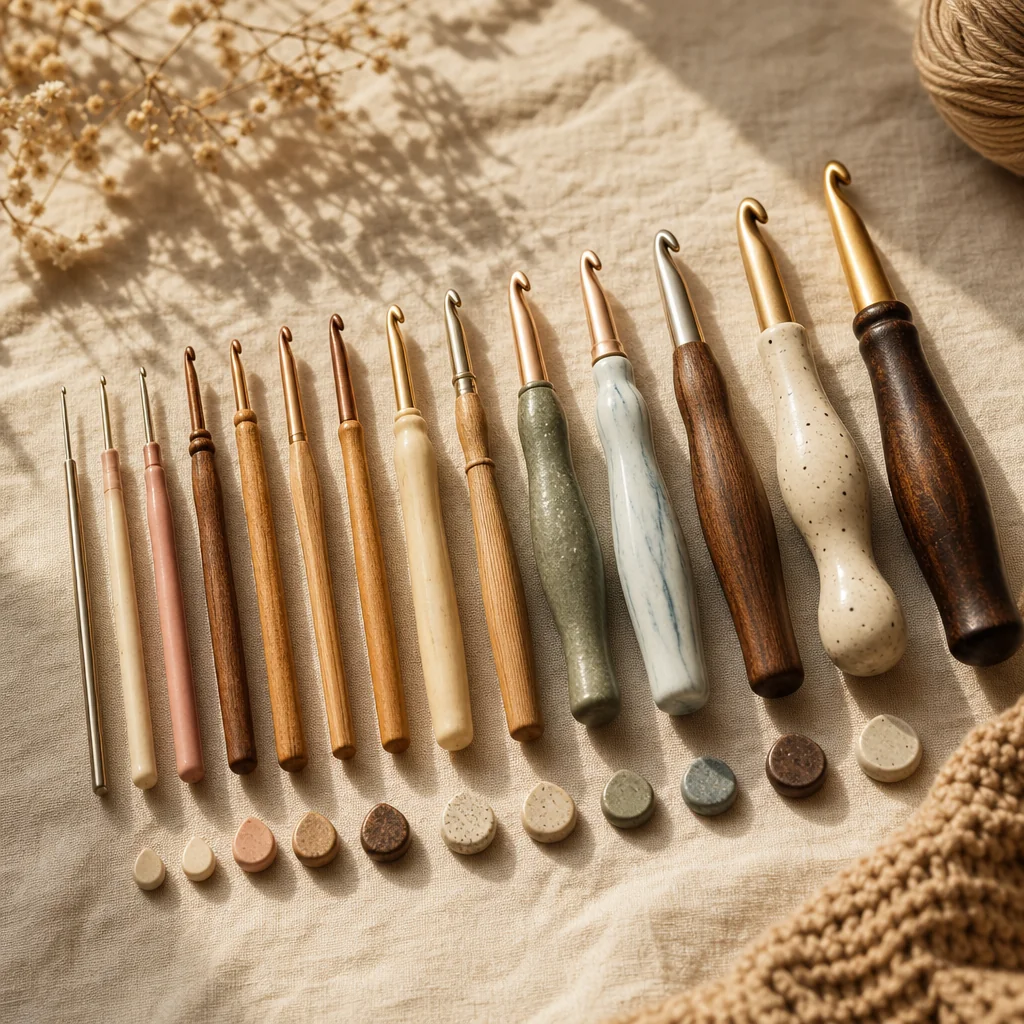
The best beginner crochet hook isn't about brand prestige—it's about comfort, visibility, and how it feels in your hand. A medium-sized aluminum or wooden hook in the 4.0mm to 5.5mm range, paired with light-colored worsted-weight yarn, gives you everything you need to learn basic stitches without overwhelm.
Crochet hooks are sized using three different systems—metric (mm), US letters and numbers, and UK numbers—and they don't always line up. Learn how to navigate all three systems so you can pick the right hook every time, no matter where your pattern comes from.
Every beginner crocheter makes the same mistakes—and that's completely normal. With a few simple adjustments and honest practice, you'll move past these rough patches and start producing beautiful, consistent work.
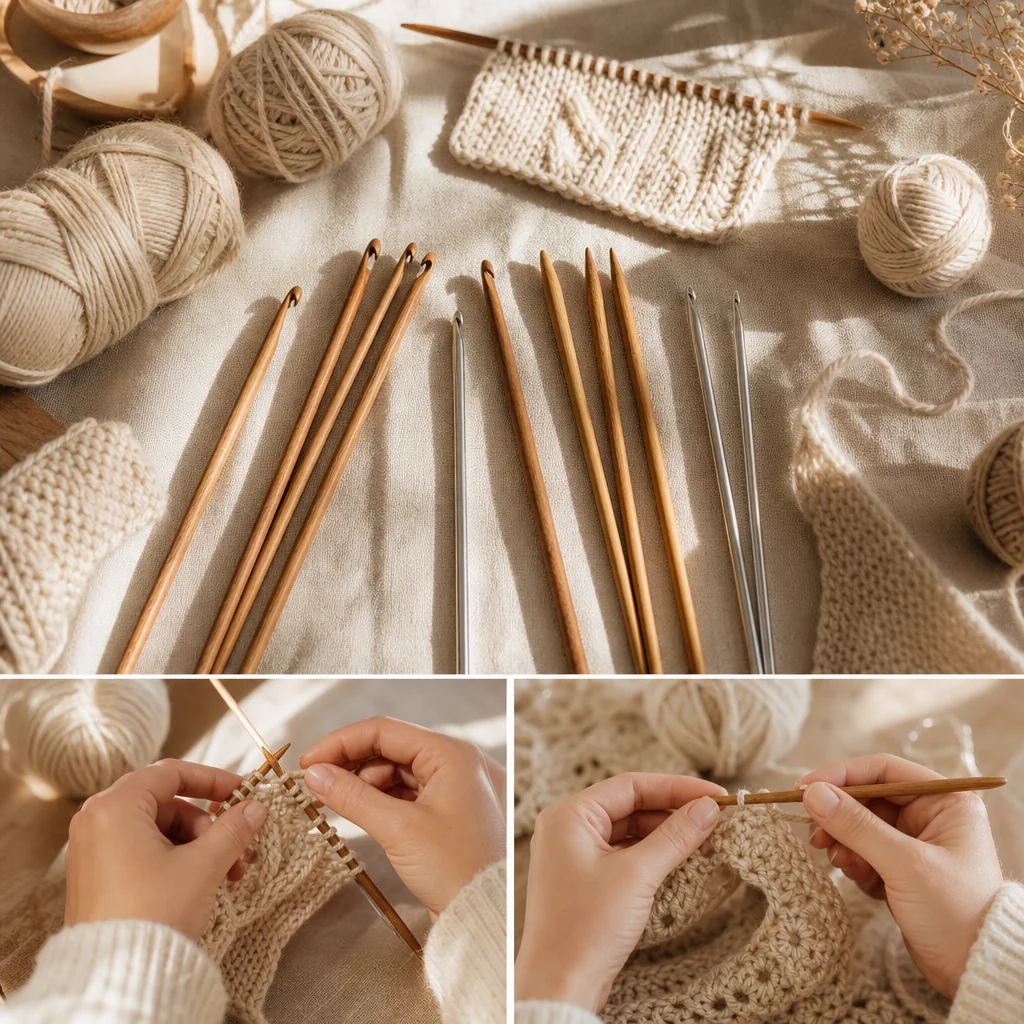
Starting your yarn journey? Crochet typically offers an easier entry point for absolute beginners thanks to its forgiving nature and faster visible progress. However, knitting excels at creating fitted garments, so your choice depends on what you want to make first.
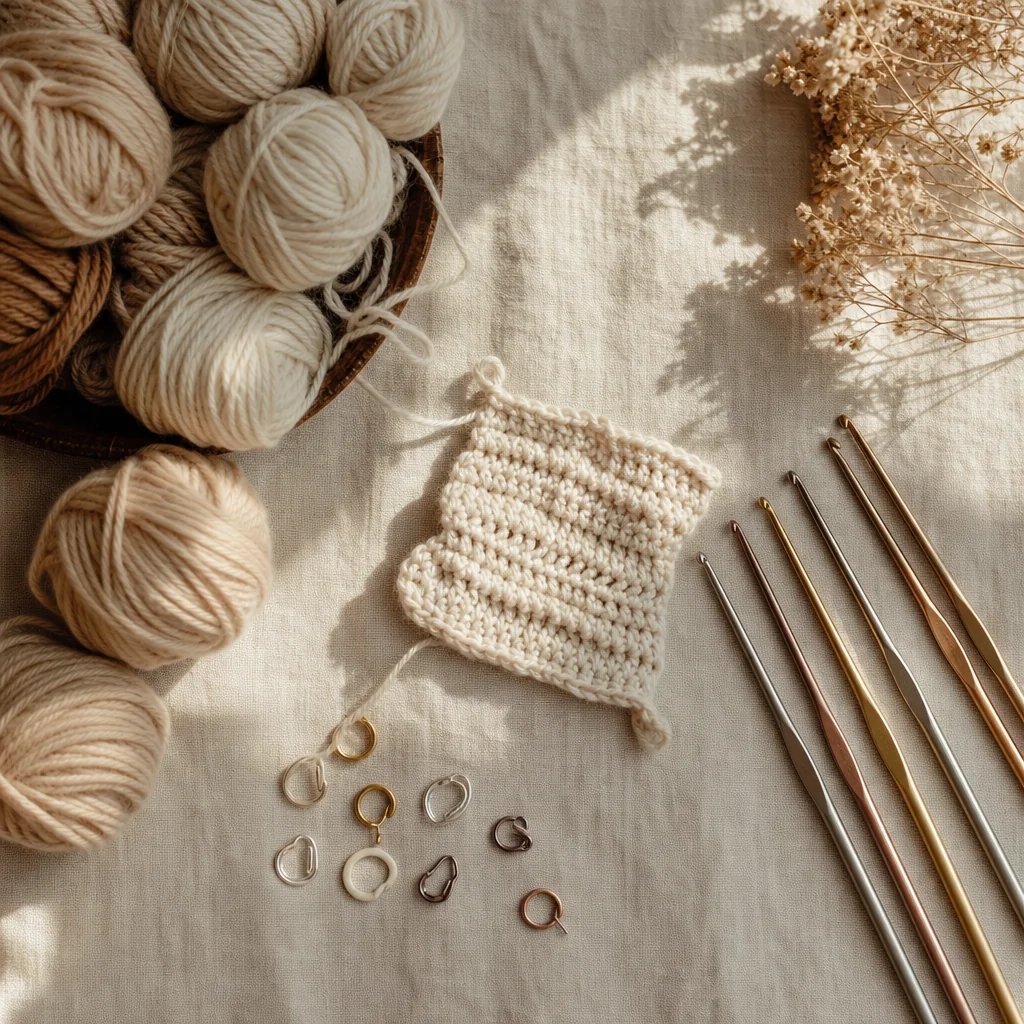
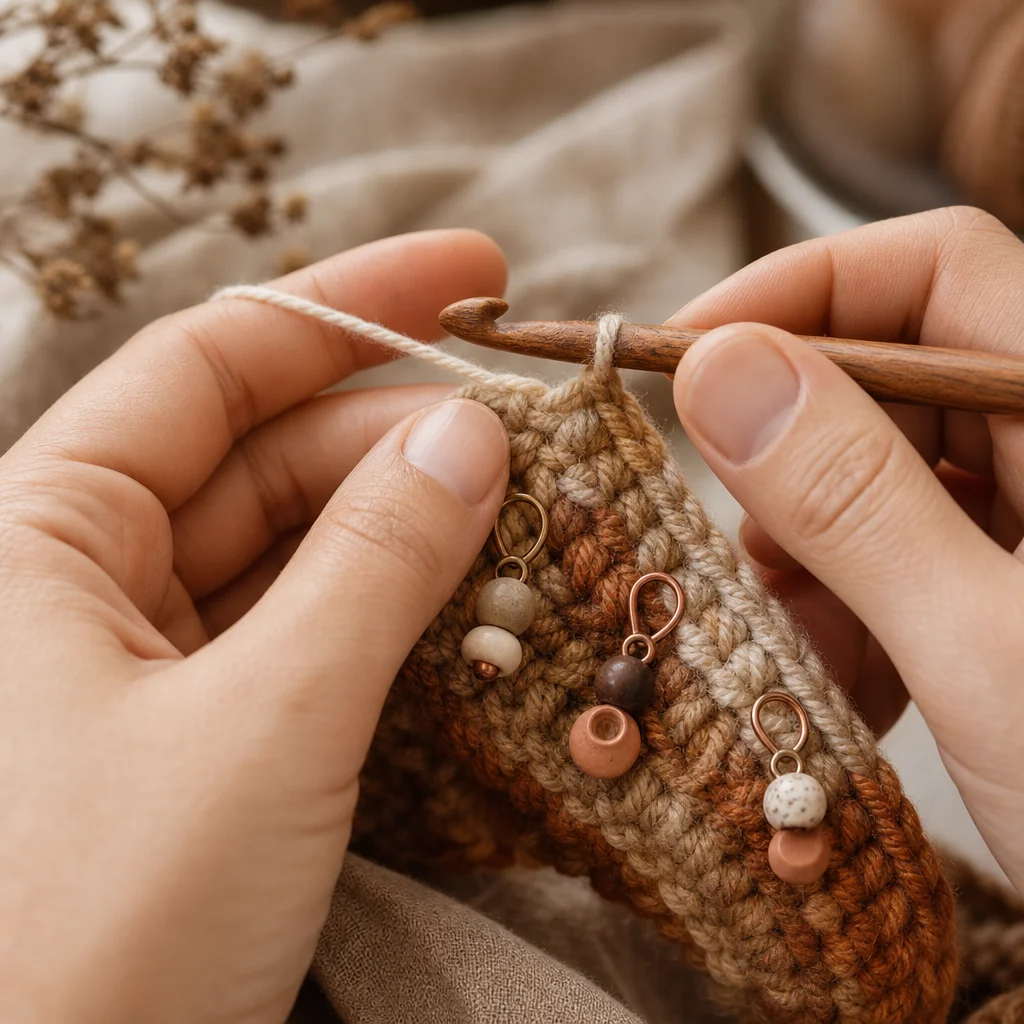
Accurate stitch and row counting is the foundation of successful crochet projects—and it's easier than you think. These practical techniques and tools will help you stay on track and spend more time creating, less time recounting.
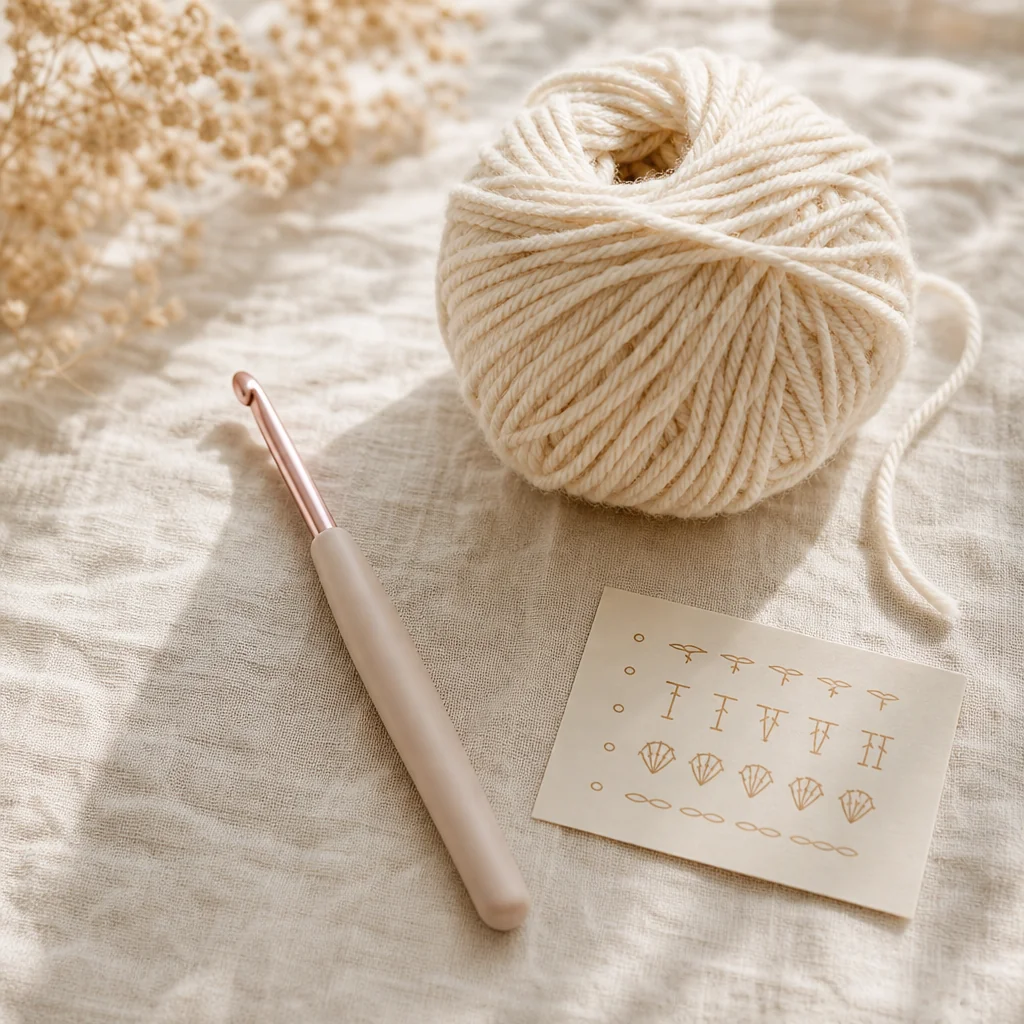
Crochet abbreviations are the shorthand language that makes patterns readable and patterns work faster. Once you understand the core abbreviations, you'll be able to tackle any pattern with confidence.
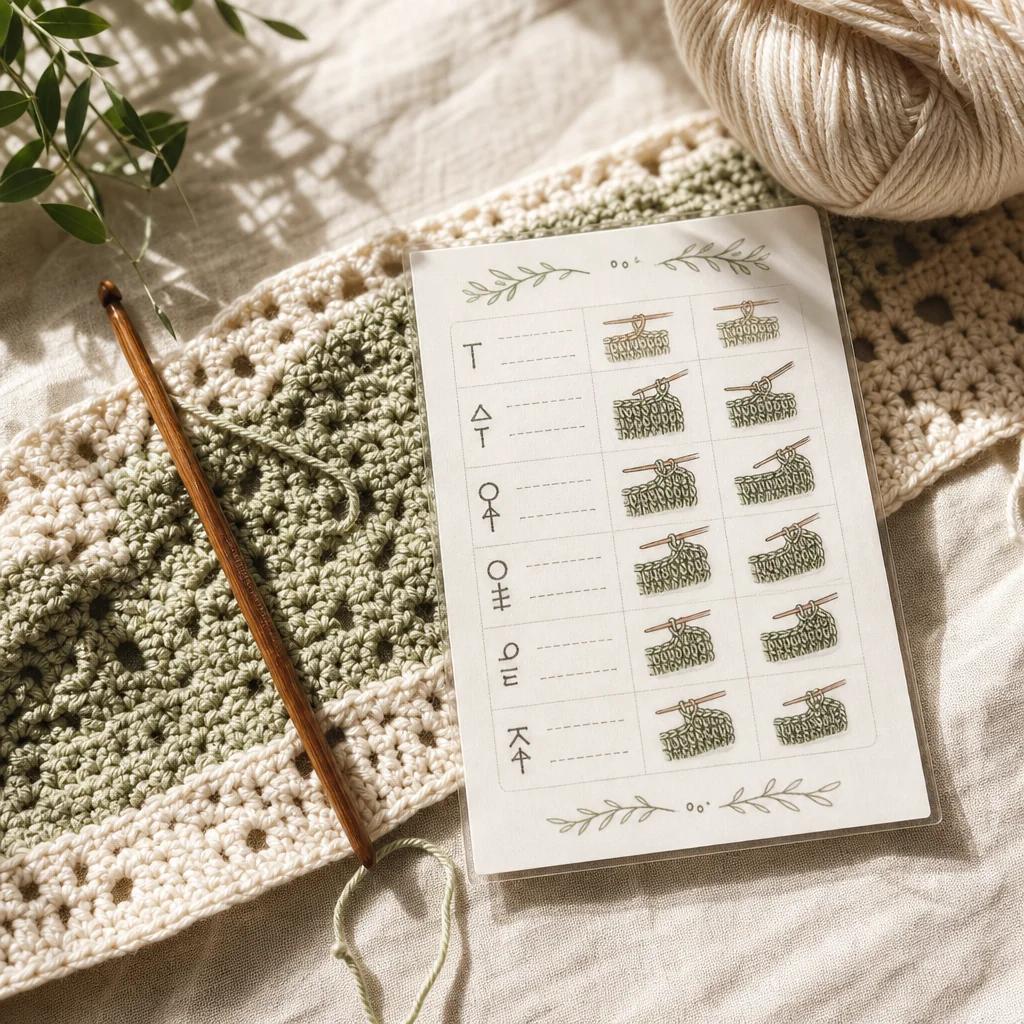
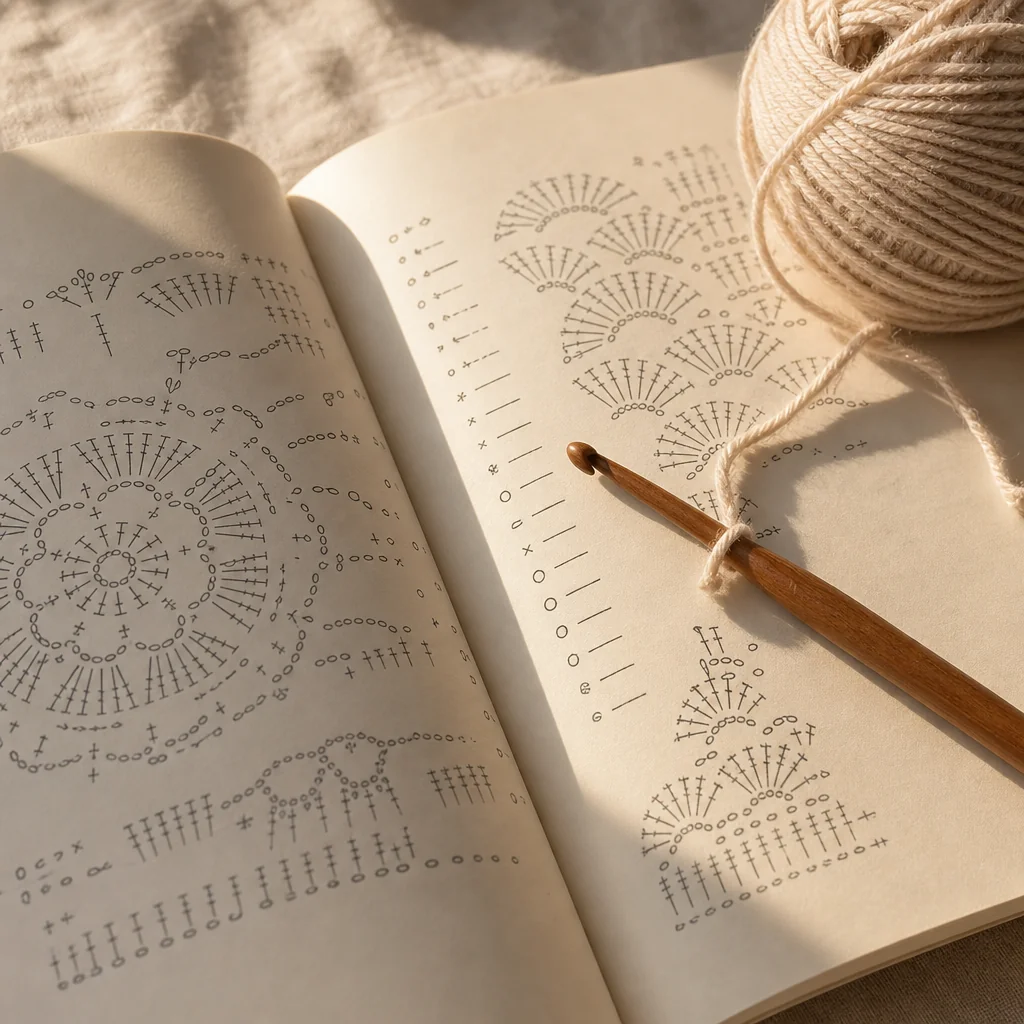
Crochet patterns use a specific language of abbreviations and symbols that looks confusing at first, but once you learn the basics, you'll be able to read any pattern. This guide breaks down exactly what each abbreviation means and how to follow the instructions step by step.
US and UK crochet terminology can throw off your entire project because the same stitch has completely different names on each side of the Atlantic. This guide shows you exactly how to convert between systems so your finished piece matches the pattern photo.
2026-07-27 · 5 min read
Get crochet tips in your inbox
Join the newsletter for bilingual tutorials, new patterns, and Canadian yarn notes.